
Fall offers a fresh beginning for a California native garden. Instead of waiting for spring color, you can use the cooler months to create a landscape that feels at home in your region, gives local wildlife useful habitat, and makes better use of seasonal rainfall. Whether you have a small front yard, a sunny backyard corner, or a few containers, the idea is to start with plants suited to your actual conditions.
The timing is especially relevant this October. In an October 2026 planting reminder, the Sonoma-Marin Saving Water Partnership highlights how fall conditions can help native plants establish roots before dry weather returns. Here is a practical way to turn that seasonal opportunity into a manageable gardening project.
Why Start a California Native Garden in Fall?
Autumn planting gives many native trees, shrubs, and perennials a chance to develop roots during milder conditions. Winter moisture can support that process, although rain and temperatures differ widely between the coast, inland valleys, mountains, and deserts. Fall is a favorable window, not a promise that new plants will grow without attention.
The California Native Plant Society’s 2026 fall planting advice recommends assessing your site, choosing plants adapted to the soil, and checking temperatures before planting. In areas still experiencing heat, keep nursery plants cared for and shaded until conditions improve.
Native landscapes also offer an alternative to extensive turf. The state’s sustainable landscaping resources connect water-smart gardens with habitat for bees, butterflies, and birds. Yet not every native is low-water in every location, and newly installed plants need appropriate irrigation during establishment.
Step 1: Observe Your Garden Before Buying Plants
Spend a few days watching how sunlight moves across the space. Note areas that receive strong afternoon sun, morning shade, reflected heat, or winter puddles. Walk the yard after irrigation or rain to see where water settles. If you garden on a slope, consider erosion and how runoff moves toward neighboring properties.
Measure the planting area, including clearance from doors, paths, utilities, and existing trees. Mark anything that should stay. You do not need a formal landscape drawing: a rough sketch with dimensions can prevent overcrowding and impulse purchases.
Pay special attention to soil drainage. Sandy soil behaves differently from heavy clay, and a plant that enjoys rocky slopes may struggle in a wet depression. Choose plants that fit the site whenever possible instead of trying to completely reconstruct the soil.
Step 2: Find Native Plants That Belong in Your Region
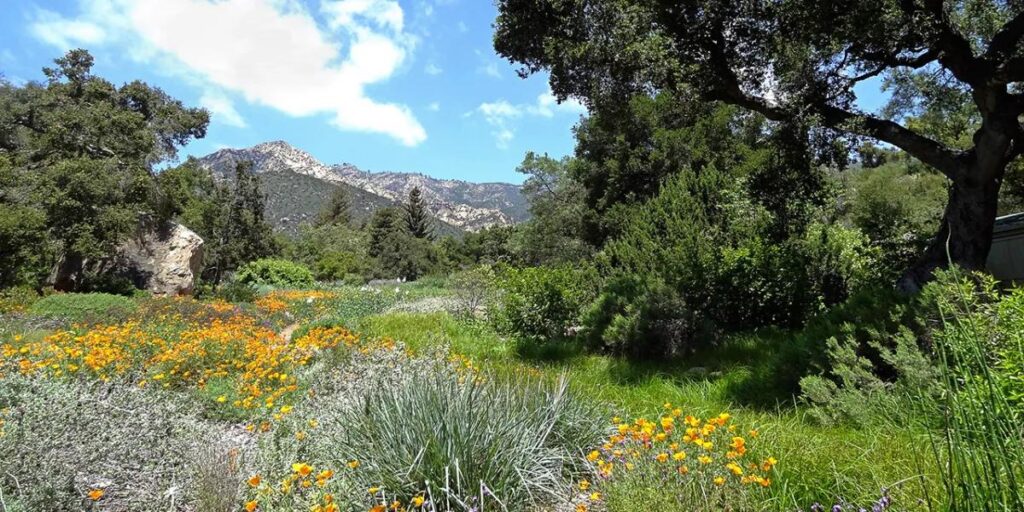
California covers many plant communities, so a species that flourishes near Santa Barbara may not be the best choice for a Sacramento garden or a shaded coastal yard. Use the California Native Plant Society’s Calscape database to explore plants by location and growing requirements. Then confirm availability and local suitability with a reputable native-plant nursery.
To keep your first project simple, choose a small palette: one structural shrub, one or two flowering perennials, and a compatible groundcover or bunchgrass. Review mature dimensions and seasonal appearance, not just how appealing the plant looks in its nursery pot.
California Fuchsia for Late-Season Color
California fuchsia (Epilobium canum) is a compelling option for suitable sunny or partly shaded sites with good drainage. Its tubular blooms can provide color late in the season and attract hummingbirds. The UC Davis Arboretum plant profile describes different cultivars with a range of heights, spreads, and flower colors. Check the specific cultivar before deciding where it belongs.
California Buckwheat for Texture and Wildlife
California buckwheat (Eriogonum fasciculatum) offers delicate flower clusters that mature into warm brown seed heads. It can give a planting bed structure beyond peak bloom. The UC Davis climate-ready plant list describes dwarf cultivars and their value to bees, butterflies, and seed-eating birds. Allow for their mature spread.
Other Plants Worth Researching
Depending on your location, look into suitable sages, manzanitas, native grasses, and California poppies. Poppies are often sown before winter rains for spring flowers; they are not a guarantee of immediate autumn bloom. Avoid mixing species solely because they share the word “native.” A coastal shade plant and a dry-slope shrub may need completely different care.
Step 3: Plan a Garden That Looks Good Between Blooms
Use foliage, plant shapes, stones, and paths to give the design an identity throughout the year. Alternate low, spreading plants with upright forms. Repeat a favorite species in two or three places to make the layout feel intentional, rather than filling every gap with something different.
Keep a clear route to gates, hoses, and seating. Place taller shrubs where they will not block windows or grow into sidewalks. A modest planting can become surprisingly full after several growing seasons, so consider spacing on the plant’s mature size.
For inspiration, you can study landscapes such as the Santa Barbara Botanic Garden, which showcases the variety and character of California’s native flora. Observe combinations of textures and plant heights rather than copying a garden with a different climate.
Step 4: Plant Carefully and Water for Establishment
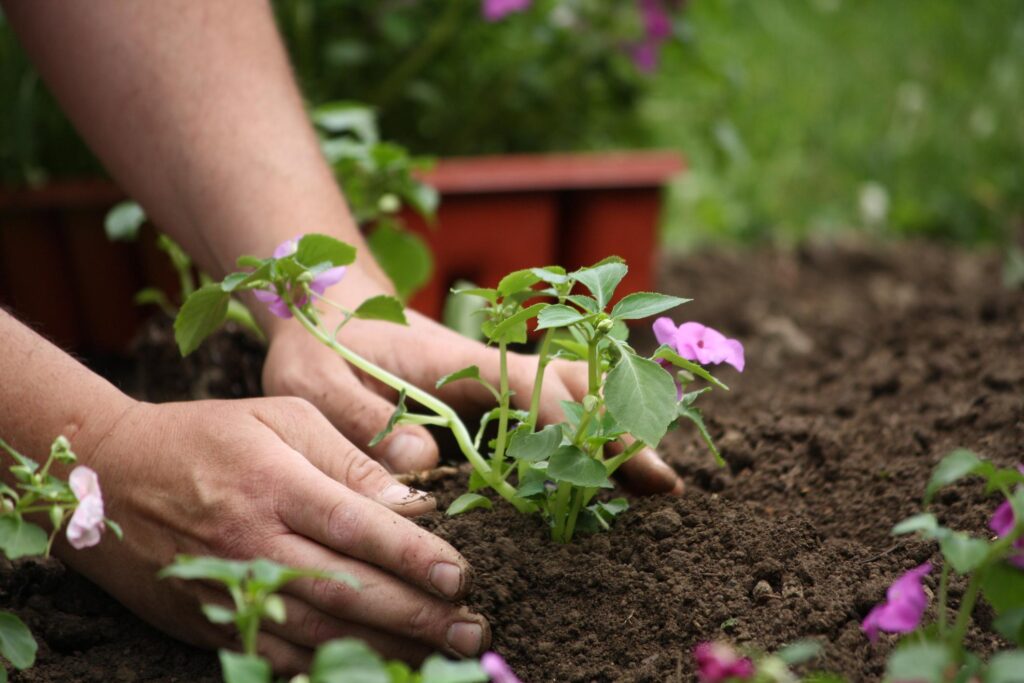
Lay out the pots before digging. Confirm that each location suits the plant’s sunlight, soil, and mature size requirements. Dig planting holes that give roots room to grow sideways, and avoid burying a plant deeper than its nursery level. Water the planting area thoroughly according to the needs of the plant and soil.
Avoid assuming every native needs heavy compost or fertilizer. Many species grow well in comparatively lean soil. For planting and irrigation guidance, consult the University of California’s 2026 native landscape guidance, which also discusses drainage, gentle soil preparation, and the importance of watering young plants during their establishment period.
Group plants with similar water needs into zones. Instead of watering the entire garden on one schedule, check soil moisture near new roots and adjust for rain, heat, soil type, and species. The UC Master Gardeners’ waterwise tips explain why fall irrigation may still be necessary before regular rainfall arrives.
Mulch can help limit weeds and moisture loss in suitable beds, but keep it away from stems. Use a material and depth appropriate to your plants and local wildfire guidance. Never place combustible mulch against a house simply because it looks natural in a garden photograph.
Step 5: Make Room for Pollinators and Seasonal Changes
A wildlife-friendly garden is more than a collection of flowers. Aim for plants that bloom at different times, giving visiting insects and birds opportunities through more of the year. Include some sheltered areas away from the busiest paths, and avoid unnecessary pesticide use.
Do not remove every stem or seed head simply because flowering has ended. Some plant material provides habitat, although debris must still be managed for safety. Local conditions and fire-risk rules should guide what stays and where. Watch how the planting changes through its first year before deciding which gaps genuinely need filling.
Step 6: Keep Wildfire Safety Part of the Design
No landscape plant is fireproof. Where wildfire exposure is a concern, safe placement and maintenance matter alongside species selection. CAL FIRE’s defensible-space guidance explains vegetation management around buildings and recommends noncombustible surfaces close to structures. Check your local fire authority’s current requirements before planting near a house, deck, or fence.
Avoid dense, dry vegetation next to buildings, keep pathways accessible, and maintain plants as they grow. Native gardening and fire-aware design can coexist, but neither replaces site-specific safety requirements or professional advice for challenging properties.
Step 7: Start Small and Look for Local Rebates
You do not need to replace an entire lawn in one weekend. Begin with a single border or a modest section of turf, then learn which plants thrive and how much irrigation they need. Keep photos and notes after major weather changes so future improvements are based on experience.
Some water providers offer incentives for replacing lawns with lower-water landscapes. The Sonoma-Marin rebate directory lists participating providers and programs, while other California regions have their own rules. Check eligibility, approvals, and application requirements before removing turf or buying materials.
If you enjoy exploring gardens while traveling, pair your next visit with our California fall road trip guide. You can also browse more Home & Living inspiration for ideas that connect indoor comfort with thoughtful outdoor spaces.
A California Garden That Grows With You
A successful California native garden is not necessarily the biggest, neatest, or most colorful yard. It is a planting that fits the place, gives its roots time to settle, and makes room for both people and local wildlife. Start this fall with a realistic plan, a small group of well-chosen plants, and enough curiosity to see what the next season brings.